Rosco Manufacturing 16” Purebred Barrel Review
The 16” Purebred barrel delivers solid performance and a well tuned gas system at a price point that remains accessible to many shooters.
Overview
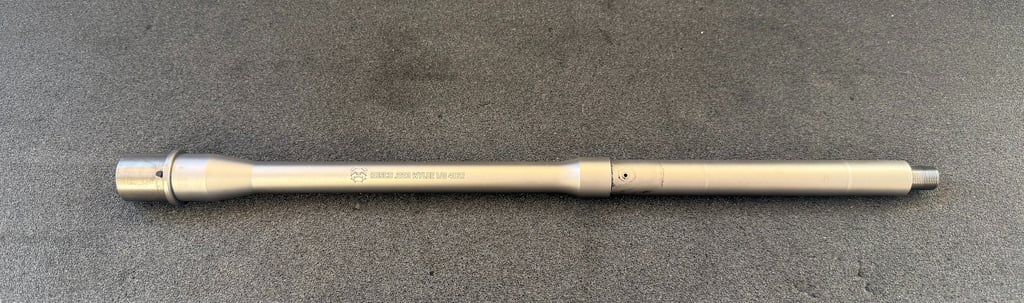
The Rosco Manufacturing Purebred series is marketed as a precision-oriented line of AR-15 barrels. Rosco is a widely known manufacturer in the AR-15 space, producing barrels both under their own name and for other brands. The Purebred series is designed to offer precision-focused features at a relatively approachable price point.
This article focuses specifically on the 16” Purebred barrel. After inspection and testing across several ammunition types, the overall takeaway is straightforward: the Rosco Purebred delivers solid performance for the money.
Across multiple loads, the barrel produced consistently respectable group sizes, and the overall manufacturing quality appears decent to very good for its price range. While there are a few minor imperfections (most notably tool marks in the rifling) nothing observed during inspection appeared severe enough to negatively affect function or reliability.
For shooters looking for a precision-leaning barrel without stepping into the higher tiers of barrel pricing, the Purebred is a compelling option.
Pros and Cons
Pros
Widely available
Good performance relative to price
Rosco Manufacturing has a solid reputation and established track record
Gas port size is appropriately sized for a 16” mid-length gas system
Cons
Some visible tool marks in the rifling
Earlier versions used a government-style profile, which is not ideal for a precision-focused barrel
Accuracy and Performance
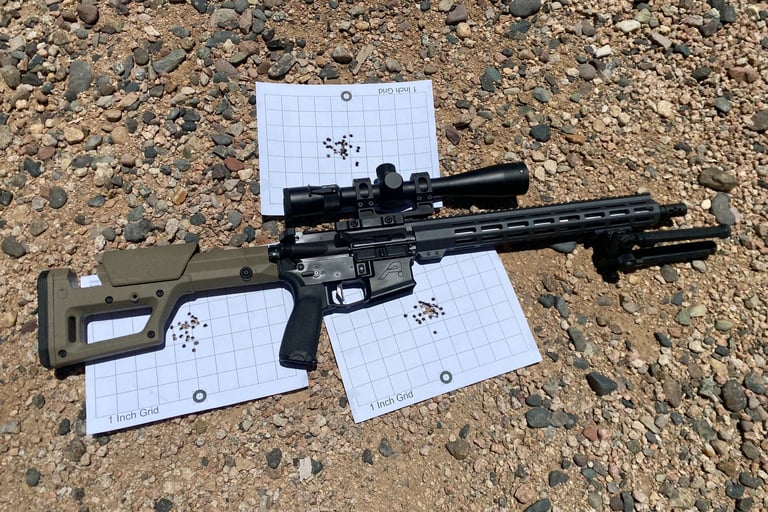
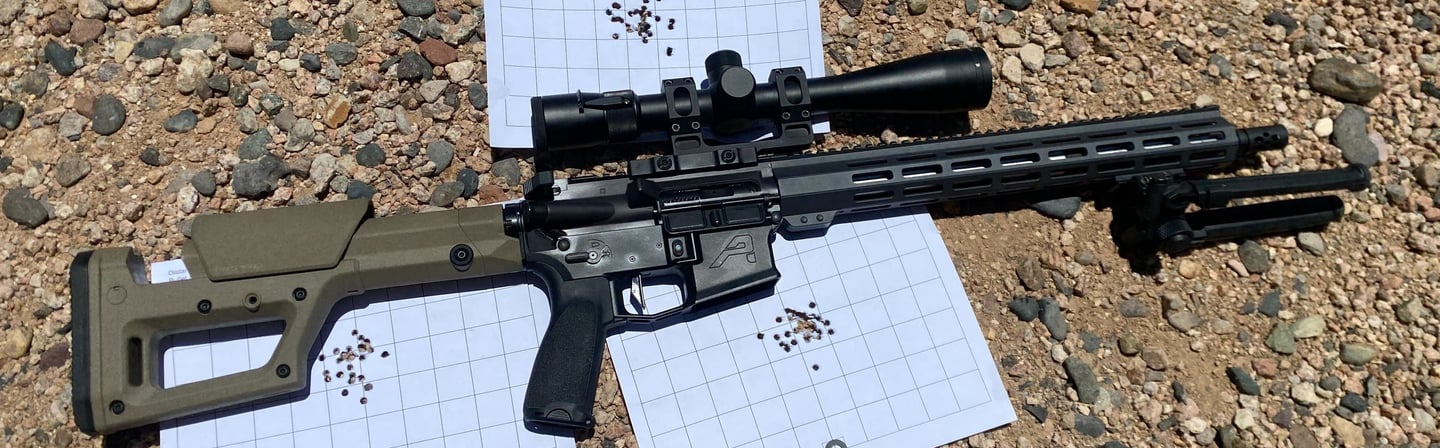
Testing was conducted using multiple common 5.56/.223 loads. Performance varied somewhat by ammunition type, but the barrel performed consistently well overall.
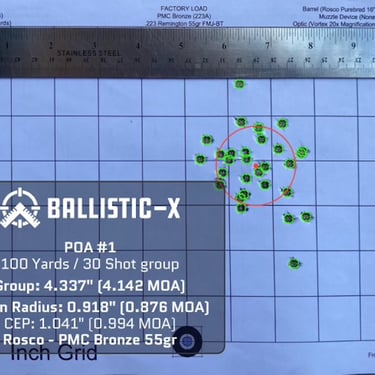
PMC Bronze 55gr
30-shot mean radius: 0.876
30-shot group size: 4.142
A-ZED score: 161
Currently 2nd best out of 4 groups tested with this ammunition.
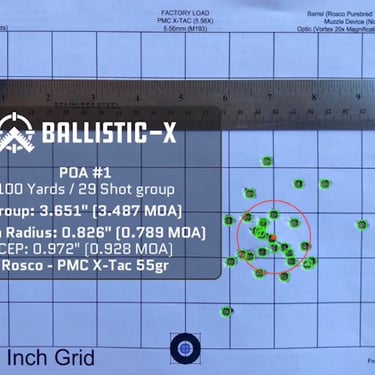
PMC X-Tac 55gr M193
30-shot mean radius: 0.789
30-shot group size: 3.487
A-ZED score: 179
Currently 2nd best out of 4 groups with this ammunition.
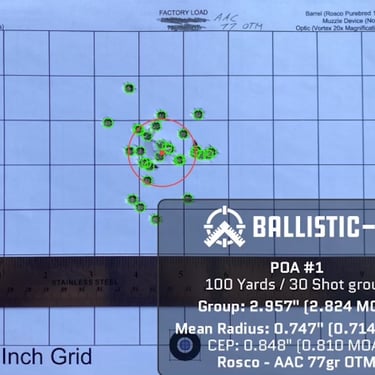
AAC 77gr OTM
30-shot mean radius: 0.714
30-shot group size: 2.824
A-ZED score: 198
Currently 12th best out of 22 groups tested with this ammunition.
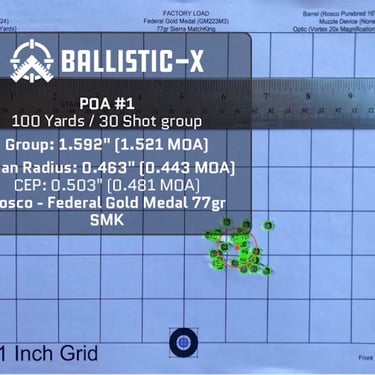
Federal Gold Medal Match 77gr Sierra MatchKing
30-shot mean radius: 0.443
30-shot group size: 1.521
A-ZED score: 319
Currently 9th best out of 34 groups tested with this ammunition.
The strongest performance came from the Federal Gold Medal Match 77gr SMK load, which produced the smallest mean radius and highest A-ZED score in testing.
Specifications and Inspection
Barrel Length
The Rosco Purebred line is available in several lengths. While this article focuses on the 16” model, Rosco also offers 18” and 20” versions, which are more typical for precision-oriented builds. Shorter SBR and pistol variants are also available.
Chamber
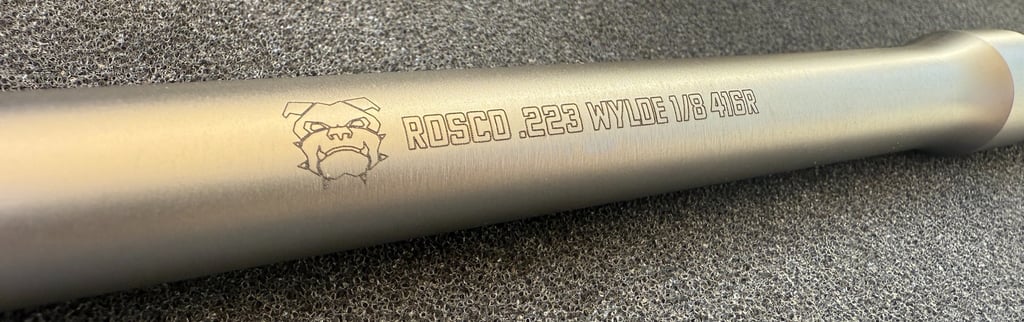
The barrel uses a .223 Wylde chamber, which is commonly associated with precision-oriented AR-15 barrels.
In practice, I have not observed a significant performance difference between .223 Wylde and 5.56 NATO chambers, but .223 Wylde is commonly selected for barrels intended to balance reliability with accuracy.
The chamber on this barrel was gauged using a Pacific Tool & Gauge .223 Wylde chamber gauge, and the barrel passed, meaning the chamber is equal to or larger than minimum specification.
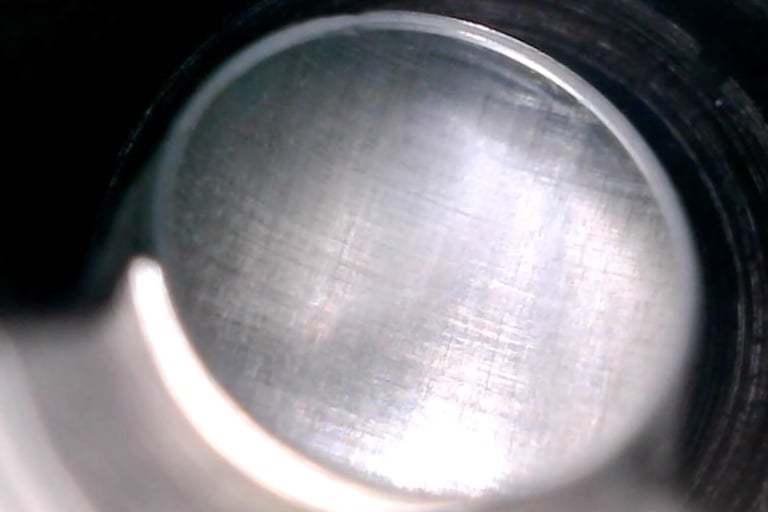
A borescope inspection of the chamber showed no significant defects or abnormalities.
Twist Rate
My example barrel is marked 1:8 twist. Current Rosco offerings appear to be 1:7 twist.
Both twist rates are generally suitable for the common bullet weights used in .223/5.56 rifles. The common assumption is that 1:8 twist may slightly favor lighter bullets such as 55gr, while 1:7 twist is optimized for heavier projectiles like 69-77gr.
In practice, testing has not shown a consistent accuracy advantage between these two twist rates.
Because the Purebred is intended to be a precision-oriented barrel, the shift to 1:7 twist in current production barrels makes sense, as precision shooters often favor heavier projectiles.
Gas System
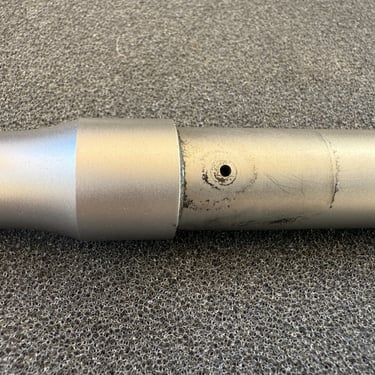
The barrel uses a mid-length gas system, which has become the standard configuration for 16” AR-15 barrels.
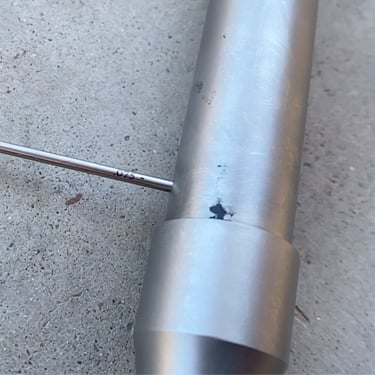
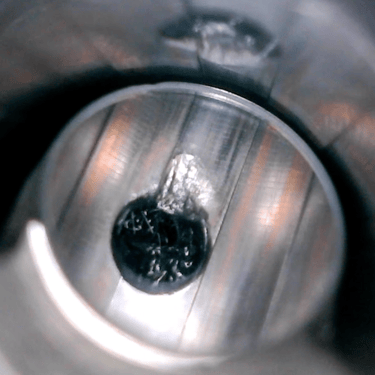
Using pin gauges, the gas port measured 0.075”, which is right around the average size for a 16” mid-length system.
In practice, this resulted in a very balanced shooting experience, with recoil impulse and bolt carrier velocity falling within expected ranges.
Barrel Material
The barrel is made from 416R stainless steel, a common material used in precision rifle barrels.
Compared to chrome-lined 4150 CMV barrels, 416R stainless barrels generally offer:
Improved potential precision
Reduced long-term durability under extreme firing schedules
For a precision-focused barrel, however, 416R stainless is a very typical and appropriate material choice.
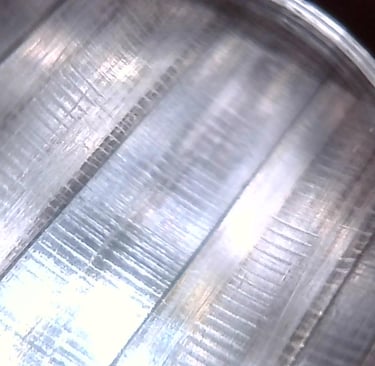
Bore Treatment
The bore does not appear to have any additional coating or treatment such as:
Chrome lining
Nitriding
Instead, the barrel uses raw 416R stainless steel, which is typical for precision barrels. Avoiding additional processes can reduce the potential for manufacturing variation that might negatively impact accuracy.
Muzzle Threads
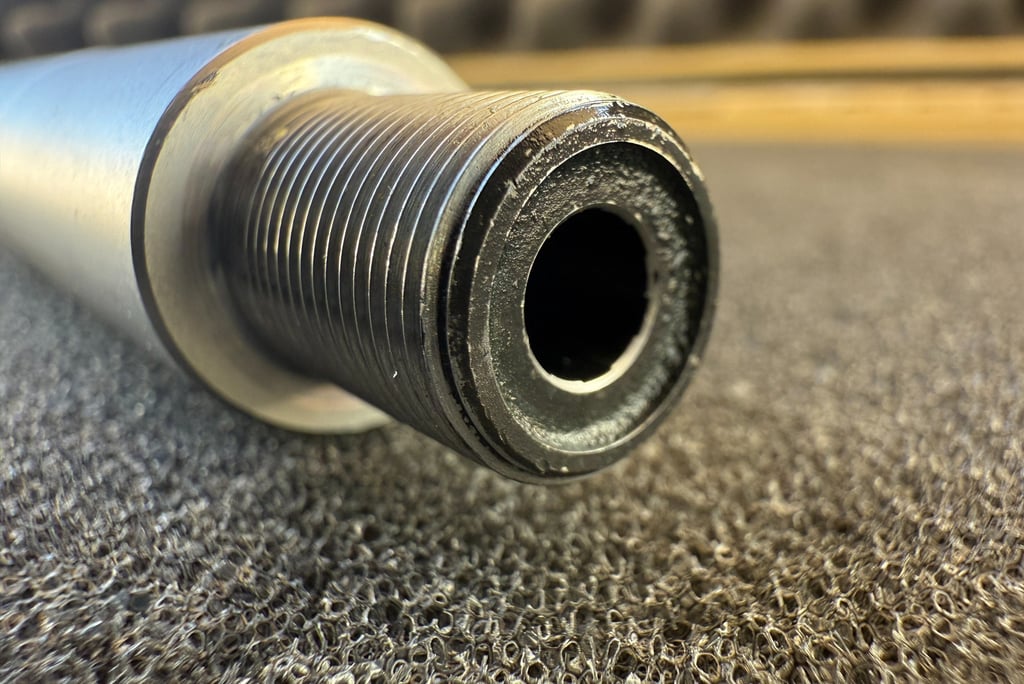
The barrel uses 1/2×28 threads, which is the standard thread pitch for AR-15 barrels.
However, 5/8×24 threads are becoming more common on AR-15 barrels. The larger thread diameter may offer some advantages, including:
Reduced risk of bore constriction from over-torquing a muzzle device
A stronger mounting interface for heavier devices such as suppressors
That said, 1/2×28 remains the industry standard, and nothing unusual was observed here.
Rifling
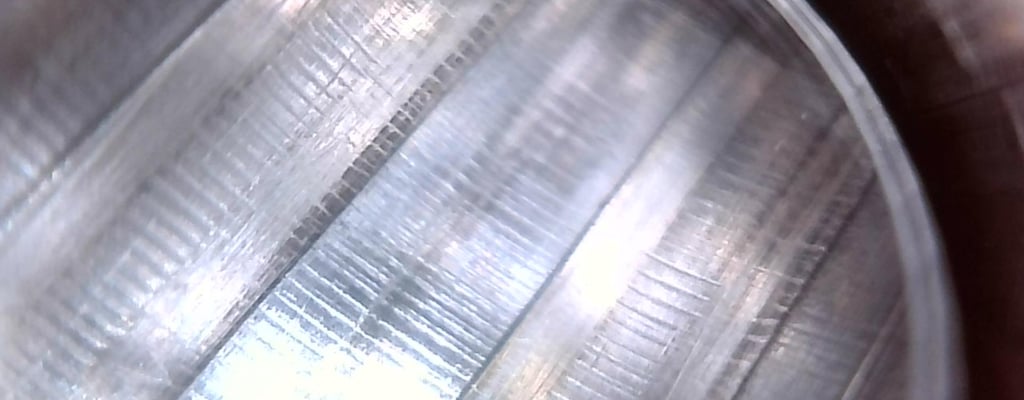
The barrel uses button rifling, which is a typical manufacturing process for barrels in this price category.
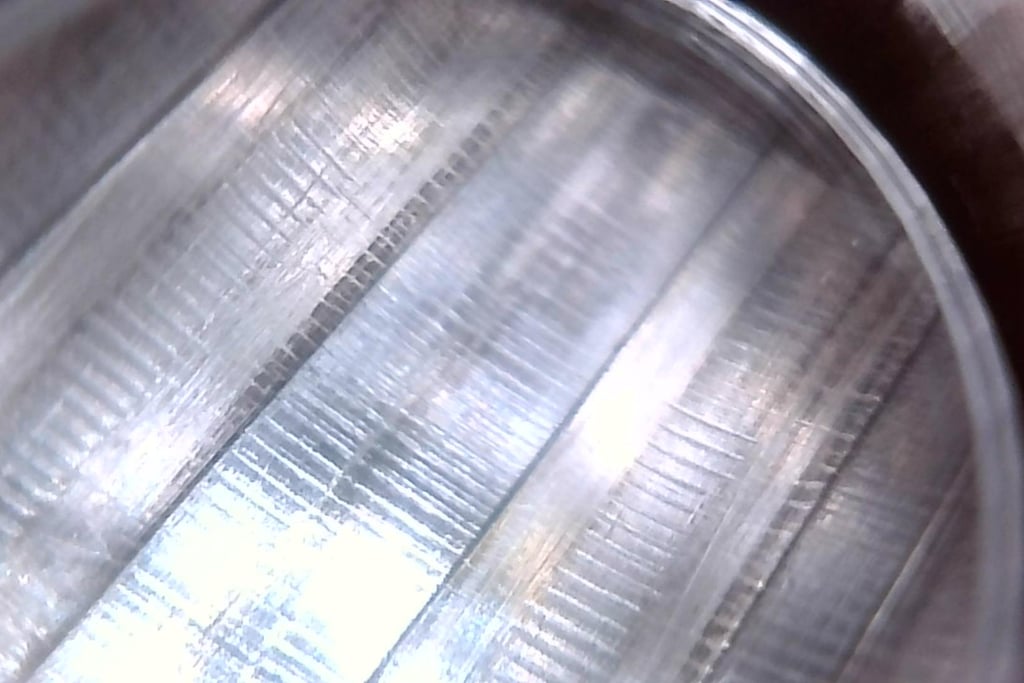
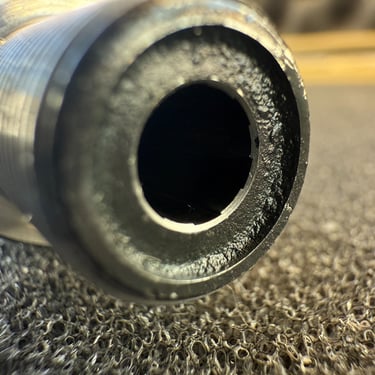
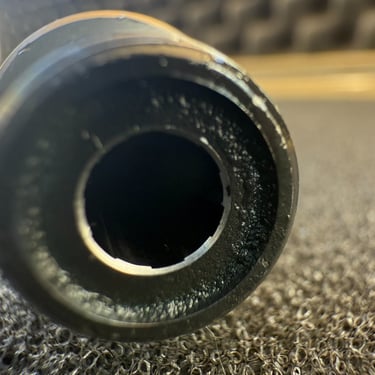
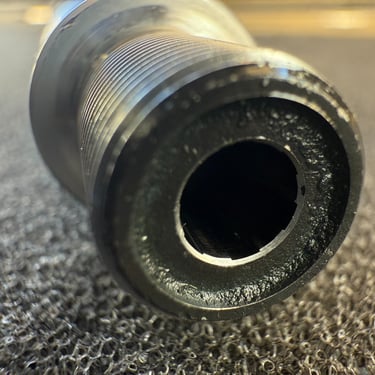
During borescope inspection, noticeable tool marks were present in the rifling. While this is not uncommon in barrels within this price range, it could potentially:
Increase fouling accumulation
Slightly alter bullet surface interaction with the bore
Despite these marks, the barrel still produced good practical accuracy during testing.
Throat
A throat erosion gauge reading of 1 was recorded, which is within the expected range for a new barrel.
Inspection showed:
Clean machining
No obvious defects
Consistent rifling land engagement at the start of the bore
Crown
The barrel uses a recessed (stepped) crown, with the leading edge chamfered.
This design helps protect the crown from damage when a muzzle device is not installed.
The crown machining appeared clean and uniform, with no visible defects or rough edges.
Barrel Extension and Feed Ramps
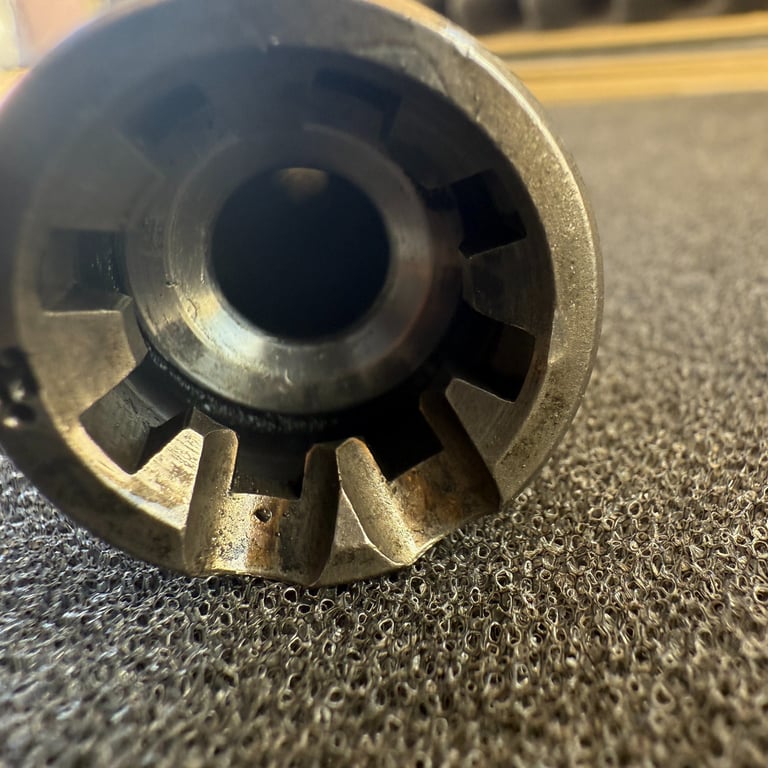
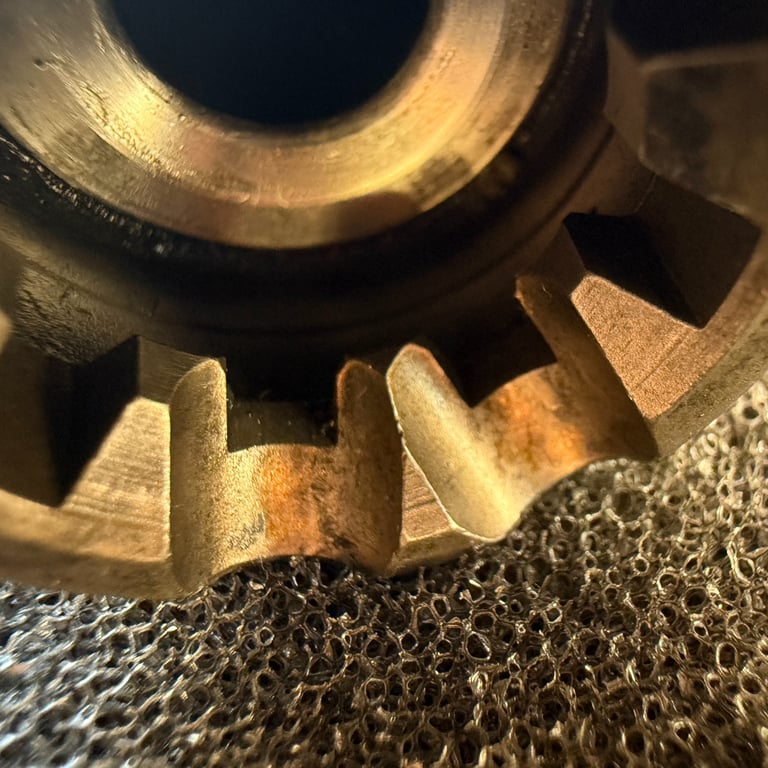
The feed ramps showed standard geometry and proper machining.
The barrel extension diameter measured close to average, which should allow:
Easy installation in most upper receivers
Avoidance of excessively loose fitment
Headspace
Headspace measurements indicated the chamber was:
More than 0.002” larger than minimum specification
Less than 0.005” larger than minimum specification
This places the barrel well within normal and serviceable headspace range.
Final Thoughts
Overall, the Rosco 16” Purebred barrel performs well for its price point.
The barrel produced consistently respectable groups across multiple ammunition types, the gas system is properly tuned, and overall manufacturing quality appears solid.
The most noticeable shortcoming during inspection was tool marks in the rifling, which would ideally be cleaner in a precision-focused barrel. However, these marks did not appear to negatively impact the real-world performance observed during testing.
One additional criticism of earlier versions of the Purebred line was the government-style barrel profile, which is not particularly well suited for precision applications. Rosco has since updated the Purebred series to use SPR-style profiles, which better match the intended role of these barrels.
There are certainly higher-end barrels on the market that outperform the Purebred, but at its price point it represents a very reasonable option for shooters looking to build a precision-leaning AR-15 on a budget.
For that use case, the Rosco Purebred remains a strong contender.
© 2026. All rights reserved.